

What Just Happened #68
France has a government

A busy, substantive week of world news, and for a change, no Ukraine, although with the promise of another Trump/Putin meeting, just wait till next week. Today we consider that France has a government and talk about Russian provocations around the fringes of Russkiy Mir. We look at next week’s elections in Argentina, we note a bit of good news for the good guys—the underperformance of the far right in Portugal—and then, just when you thought it was safe to go back in for a dip in Lake Anosy, there’s been another coup in Madagascar.
Let me know what you think. Let’s go.

FRANCE: It’s all puppies and bunnies and ice cream cones in Paris this week, as fraternité, liberté, égalité and harmony reign. President Macron charged the barricades again, and this time he looks to have made it to the other side, albeit in splints.
For the past year the president has had a hard time keeping a Prime Minister. Choosing a leader from Marine Le Pen’s far right Rassemblement National has long been beyond the pale, and the president has also resisted appointing a PM from the far left.
As I read it, this is down to Macron’s unwillingness to imperil his pension reforms, because the first thing a leftist Prime Minister would do is go after the president’s 2023 pension reforms.
Those reforms raise the retirement age with a full state pension from 62 toward 64 over time, and lengthen the time required for contributions to fully vest. In pushing the package through parliament, Macron used Article 49.3 of the constitution, which lets the government force a bill through without a full vote.
None of the public likes either the reforms, or how they were pushed through. As Foreign Policy put it at the time, “To Save His Pension Reform Bill, Macron Has Lost France.”
Then last summer, Macron called snap parliamentary elections. The left stood as a coalition of parties they called the Nouveau Front Populaire, comprised of La France Insoumise (“France unbowed”), the Socialists, Greens and Communists, and together they won the most delegates in the second round, 180–182 deputies out of 577.
That surpassed Macron’s Ensemble bloc (around 159) and the far-right bloc (around 142). Somewhere in here, Macron had to find a Prime Minister. Here’s a chart that illustrates his dilemma:
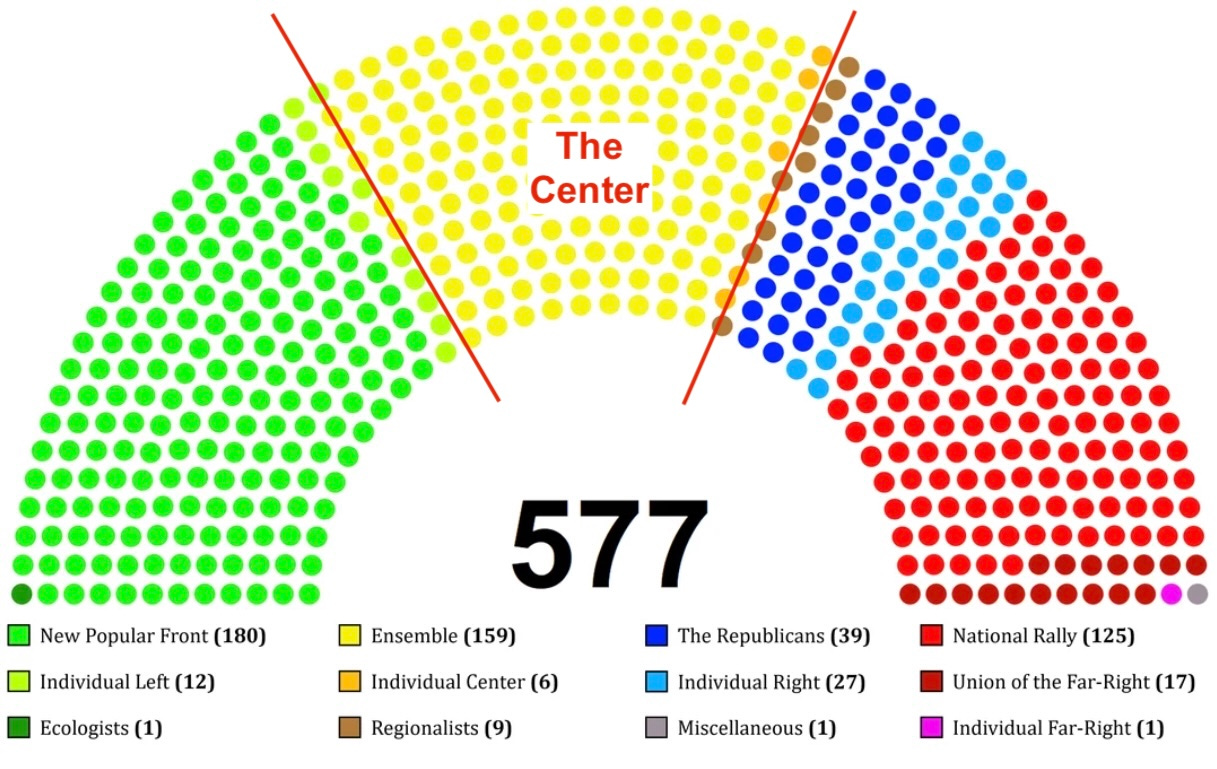
As you can see, ruling out governance by the far left (green) and the far right (red) had Macron hemmed in. He was left working within a narrow band of centrist parliamentarians (yellow) that had little chance of finding enough of a majority to set up a government.
By rights, the left alliance has claimed, since they won the most seats seats, they should be granted the first shot at forming a government. But Gabriel Attal, Prime Minister at the time of the elections, survived another eight months.
Then Macron appointed Michel Barnier, a generally well-regarded centrist whom the president hoped would be a consensus choice but lasted only about three months, then François Bayrou, another centrist, served about another eight months, and then Macron’s close ally Sébastien Lecornu’s first attempt at forming a government was measured in hours, after which Macron promptly reappointed him for a second try.
•
Lecornu’s gambit his second time around was to ditch, but not abandon, the pension overhaul until after the 2027 presidential election in hopes of peeling off enough Socialist delegates from the Nouveau Front Populaire to survive no-confidence votes, and that is just what happened.
In France the word Socialist isn’t viewed with the abject horror it is in American Chambers of Commerce. While the Socialists were part of the left’s coalition in the last parliamentary election, they’re not as far left as the rest of the far left, and Lecornu’s promise convinced enough party members not to back two no-confidence votes on Thursday, one from the left and one from the right.
Under the circumstances and for the moment, Macron and Lecornu took yes for an answer and survived. Though the hard work of adopting a budget remains, for the moment there is a government in Paris, and that’s progress.
•••••
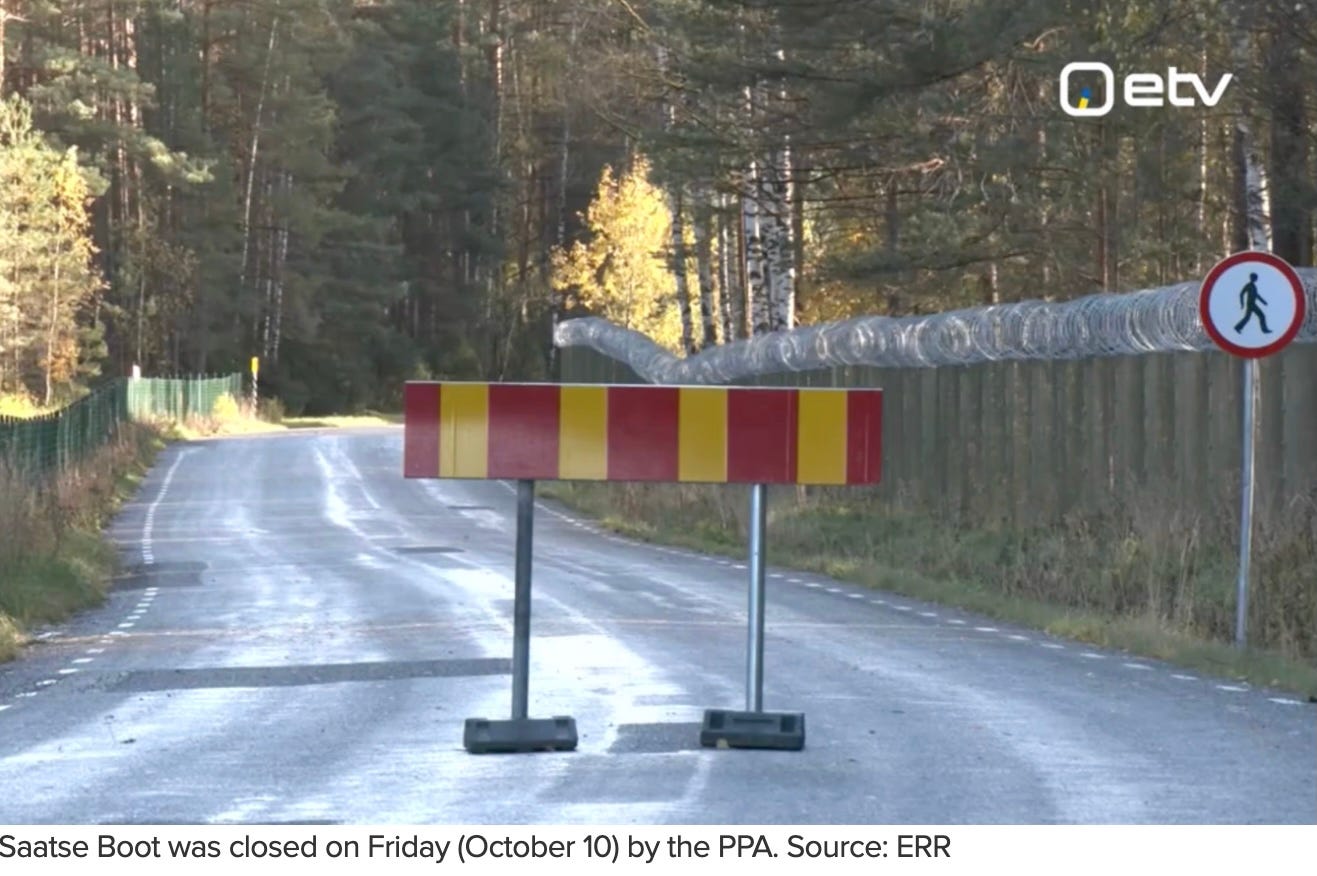
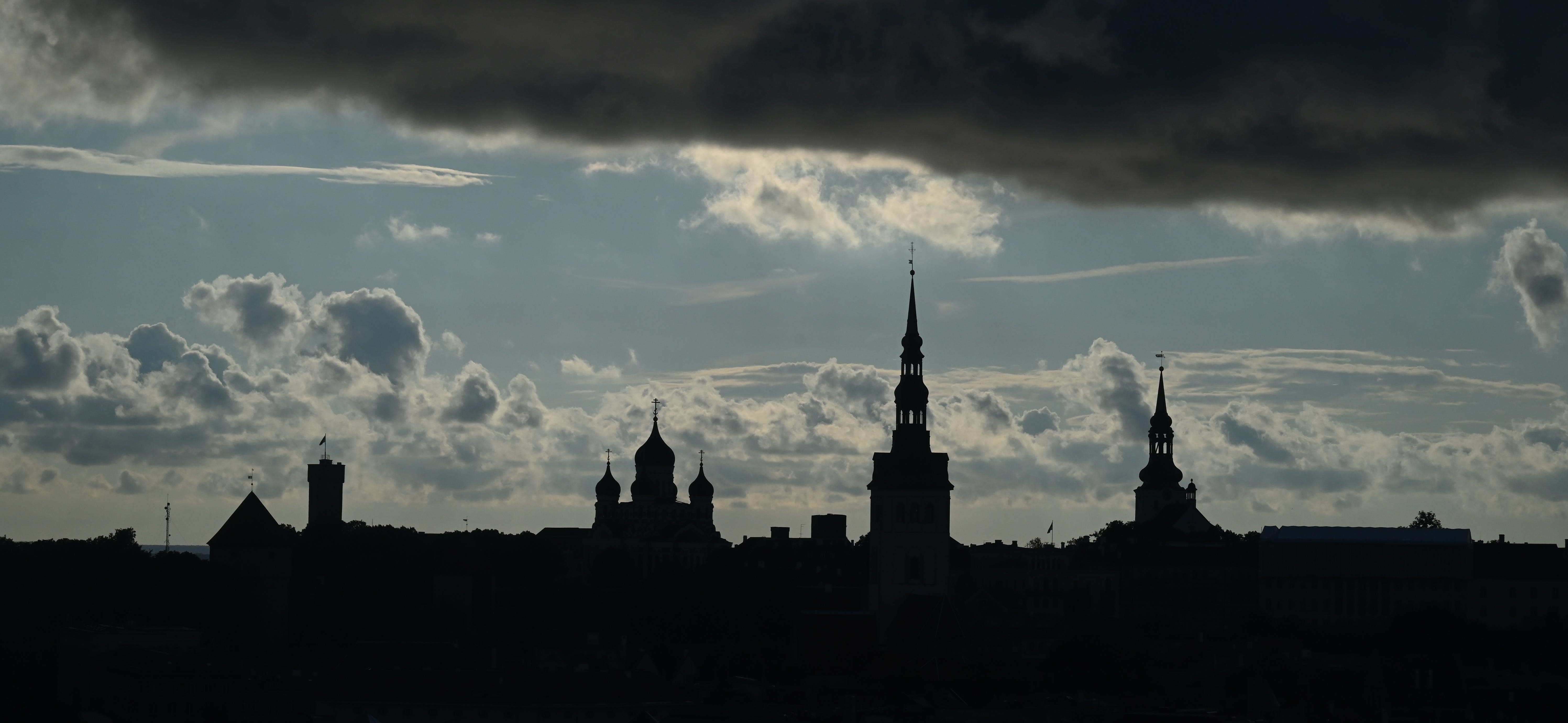
ROUGH EDGES: Estonia closed a small area of roadway called the ‘Saatse boot’ (it’s sort of boot-shaped—see below) last weekend near the border with Russia “because an unusually large military presence was observed on the russian (sic) side.” The crossing, near the village of Saatse, is just west of the Russian city of Pskov.
This caused a flurry of social media hysteria; a flood of posts on X claimed Estonia had closed a border crossing under Russian military threat. The Boot isn’t a border crossing and that isn’t what happened.
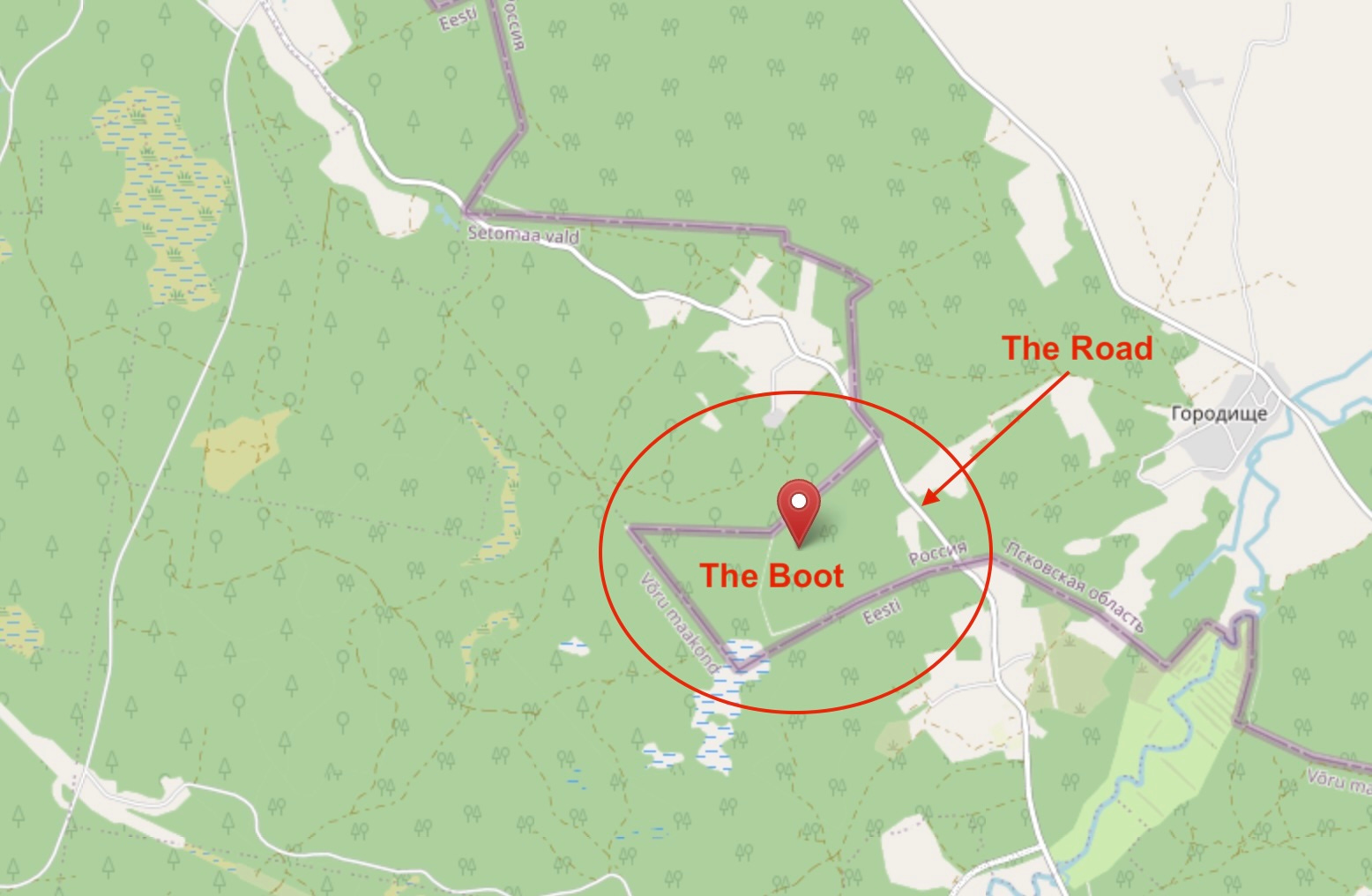
Eesti Rahvusringhääling, the Estonian Public Broadcasting service, explained:
“Estonia’s route 178, between the villages of Lutepää and Sesniki, passes through Russian territory twice, for 30 meters and for one kilometer. The bigger section is known as Saatse Boot.
Vehicles may pass through Russian Federation territory as long as they do not come to a halt. Vehicles are considered to be motorcycles, mopeds and bicycles (but not scooters).
It is not permitted to put a foot on the ground in these areas.
The Russian Federation border guard has the right to carry out patrol activity in these areas and enforce the above mentioned conditions.”
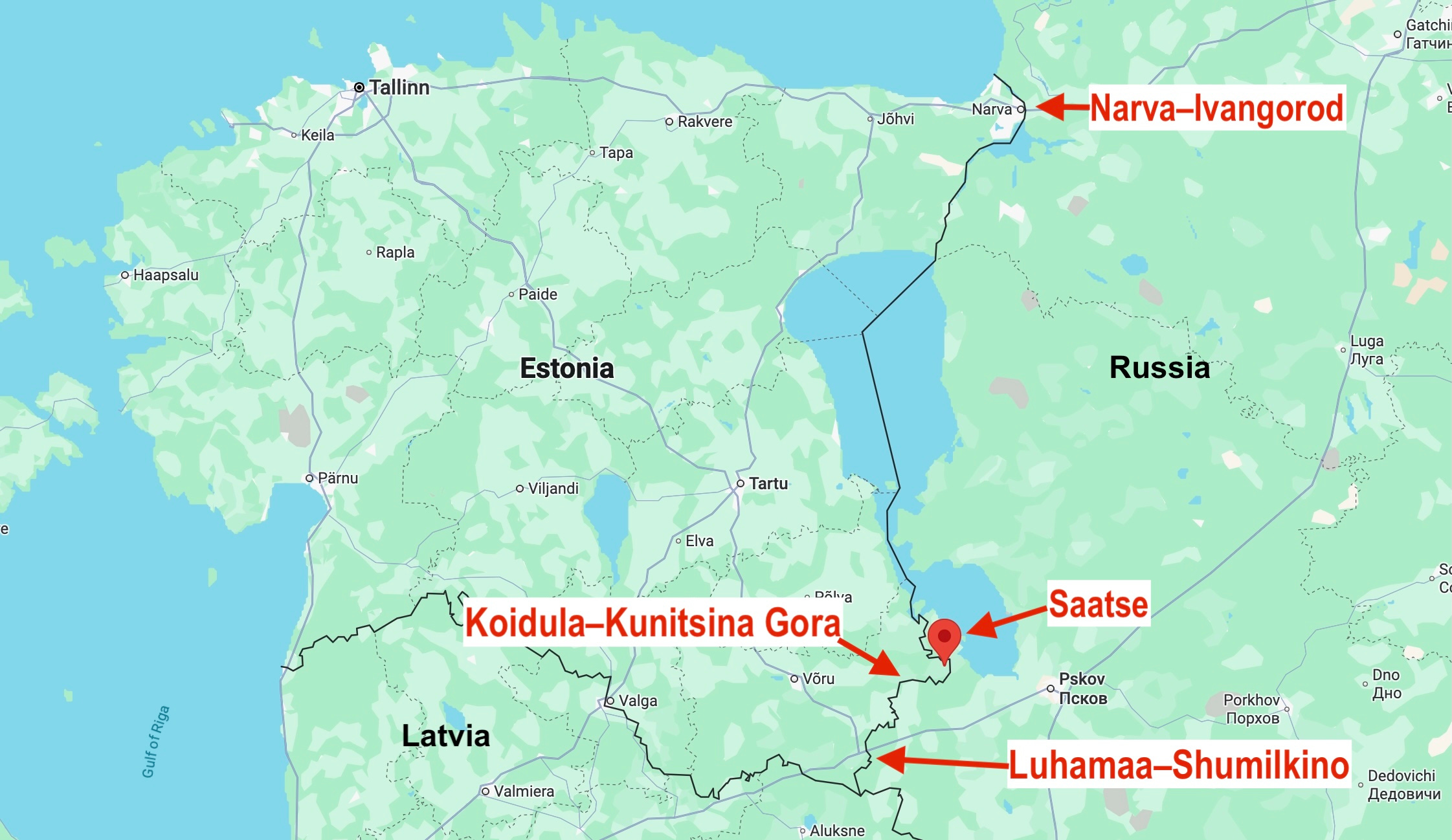
The incident is worth a mention because it represents an explicit continuation of the so-called ‘gray zone’ warfare being waged by Russia against the EU, but also because it’s very much like an often-mentioned scenario President Vladimir Putin could use to test NATO in Estonia (see the next story).
•
As Ed Lucas writes for CEPA, this road is “not connected to the Russian road network. The only reason to use this road is to get from one bit of Estonia to another.”
So it’s a fair question why other arrangements haven’t been made by now, 12,466 days since Estonia declared its independence from Russia (August 20, 1991 to October 17, 2025). Granted there’s a lot to do to set up a new country. Whatever. Estonian officials say hey, no worries, they’re building a new road around the boot.
•••••
IF RUSSIA WINS: That’s the name of a new book by German academic Carlo Masala outlining a scenario in which Russia challenges NATO’s cohesion. It’s gotten a lot of attention. George Will wrote about it in the Washington Post, as did the Financial Times and various think tanks, for example.
It caught my eye because Masala’s scenario starts with Russia occupying the Estonian border city of Narva, from which I sent a story about a year ago. (Read that here.)
It’s almost conventional wisdom what an end to the war would mean for Russia—Many writers speculate about the danger to Vladimir Putin of soldiers sent home injured, unemployed, surly and heavily armed. China is widely thought never to want the war to end, keeping the US conveniently tied up and out of Beijing’s hair.
But we haven’t (at least I haven’t) considered what the end of the war would mean here in the United States. And on that score If Russia Wins is useful. It posits a plausible scenario, in fact, one I expect will almost certainly come true. From the book:
“Now that Russia’s war against Ukraine is over, at least in its high-intensity phase, there are growing calls among Republicans and Democrats alike to leave the European post-war order up to the Europeans and to focus US efforts on the Indo-Pacific region instead. And so, it’s not long before there is cross-party consensus for a reduction of US troop numbers in Europe, and their redeployment to Asia.
Indeed, a ‘pivot to Asia’ has been on the US to do list forever, and Under Secretary of Defense for Policy Elbridge Colby, has written a book on how to do it. I’m going to predict that Masala’s scenario is exactly what will happen.
•••••

ARGENTINA: Chainsaws are so last May. Midterm elections now loom over Javier Milei, the great Argentine jobs cutter, and suddenly he’s back in town begging for a bailout. Things hasn’t exactly gone to plan.
Milei was in Washington again this week, this time not with a chainsaw, but with hat in hand to have his ship of state bailed out. But the Trump Administration may have sold him down the river.
Midterm elections are next weekend and the race is tight, in part because after a year and ten months of his populist strongman policies:
Actual jobs are disappearing in Argentina, with many pushed into the informal sector with lower wages and fewer protections. Between late 2023 and March 2025, state jobs were cut by 50,000 and private sector jobs declined by 115,000.
In May, Reuters cited a poverty/labor expert, Agustín Salvia, who noted that including the informal labor market, unemployment was something like 30 percent.
As of mid-2024, 52.9 % of the population lived in poverty—a sharp increase from 27.5 % in 2019.
The Buenos Aires Times ran a story last summer estimating the number of homeless people in the nation’s capital was rising by 10% a month.
Milei is also facing two corruption scandals, one involving kickbacks to the president’s sister, who is also his chief of staff, and another involving the president’s promotion of a cryptocurrency called $LIBRA, introduced within a month of Donald Trump’s $TRUMP token. (I wrote about the kickback scandal toward the end of What Just Happened #65.)
Milei’s cryptocurrency crashed dramatically, collapsing within hours of reaching its peak value. Reuters reported that Blockchain researchers say about $99 million was withdrawn from the token’s marketplace via eight wallets linked to the token’s creator.
More than a hundred criminal complaints accuse Milei of fraud, which he denies. His position is that he merely shared a post promoting a private initiative before knowing its details. Doh de doh. An investigation is underway.
In spite of it all, Milei has been cheered on by the Trump administration, which has bailed out the Argentine economy with $20 billion and seeks to raise $20 billion more. So what’s not to like for Milei? Here’s what the New York Times says:
To secure help from the United States, Mr. Trump made clear on Tuesday, Mr. Milei’s embattled political party would have to first pull off a victory in what are emerging as momentous and challenging legislative elections this month.
“If he doesn’t win, we’re gone,” Mr. Trump said as he welcomed Mr. Milei, who he has called his “favorite president,” to the White House. “If he loses, we are not going to be generous with Argentina.”
In Argentina, those comments were taken by many as a clear attempt by Mr. Trump to put his thumb on a sovereign country’s electoral process. (ed. note: which is obviously exactly what they are. Italics mine)
The fallout was swift. The peso tumbled as investors went on a panicked selling spree of Argentina’s currency. Mr. Milei’s political opponents railed against what they called American extortion, urging voters to reject his party at the polls. And Mr. Milei’s government rushed to try to assure Argentines that Mr. Trump wouldn’t abandon the nation based on Mr. Milei’s political fortunes.
These are the tactics the American president is using at home, hoping to scaring us into submission. We’ll find out next weekend if the Argentines can stand up to it. If they can, why can’t we?
•••••

If you’re reading this as an email, be aware that your provider may clip the article before the end. Try clicking on ‘view entire message’ to see the whole thing, or you can always read everything at Common Sense and Whiskey online.
•••••
PORTUGAL: A victory against the far right—The Chega party won its first mayoral seats in local elections last week, but the thirty-odd seats many feared it would win collapsed to only three of Portugal’s total of 308 municipalities. Its total vote share halved from parliamentary elections in May.
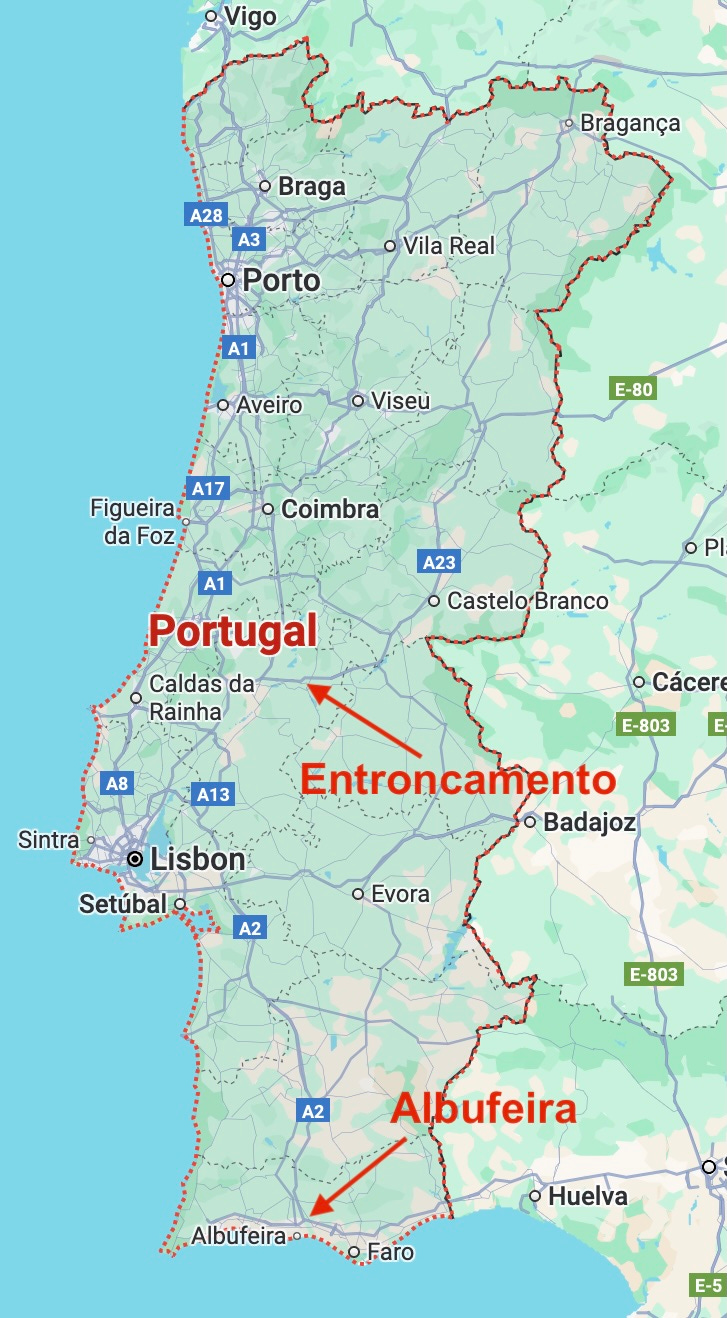
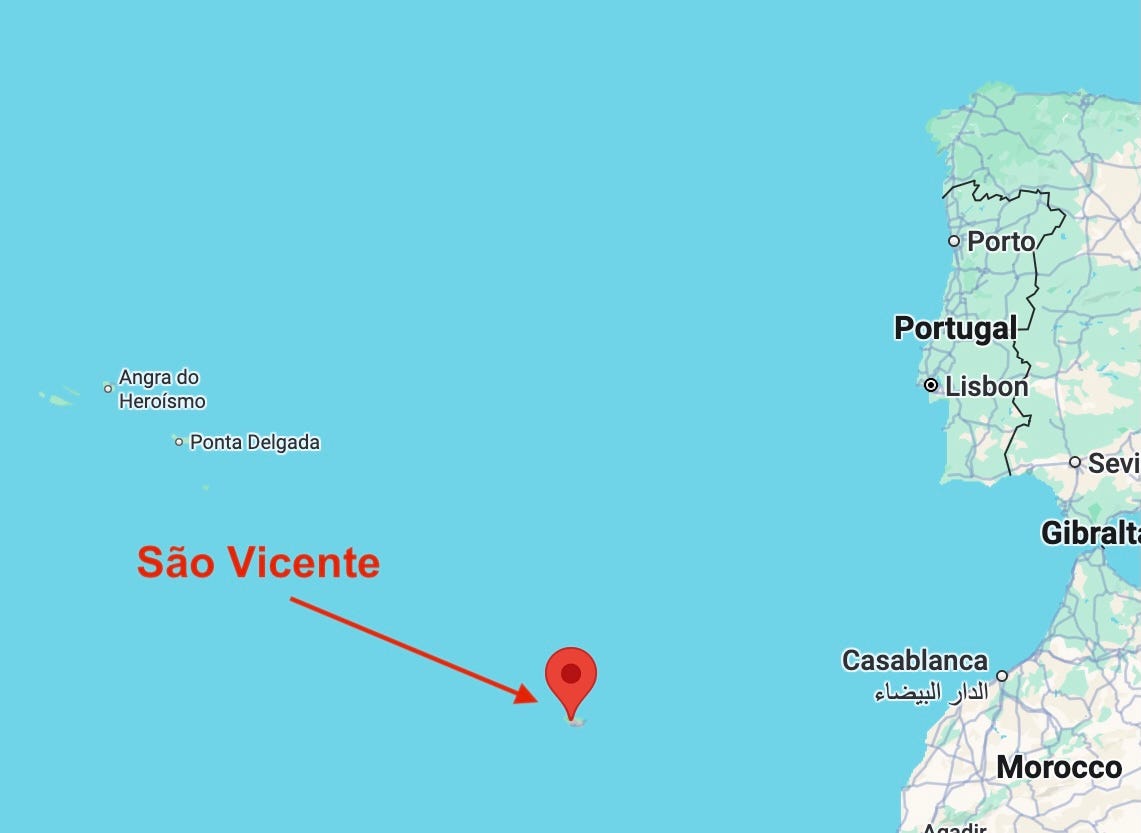
Chega, which means “Enough”, didn’t get enough votes to expand its writ beyond city halls in São Vicente on the island of Madeira; the central town of Entroncamento; and Albufeira in the south.
The three towns combined are home to roughly 69,700 of Portugal’s 10,700,700 people, or 0.65 percent. Overall, Chega took just 11.86 percent of the national vote, compared to almost 23% of the vote in parliamentary elections in May.
•••••

MADAGASCAR: The Madagascan president, Andry Rajoelina told his countrymen that he was forced to move to an undisclosed location on Monday. We still don’t know where he is, although it’s said he left the country on a French military plane. We do know he’s no longer president.
The island of Madagascar is a former French colony. The more acerbic among us might note that Madagascar has picked up a pointer or two on replacing its leaders from its former colonial masters, but in fact the island has had replacing leaders down for years. Rajoelina is just the latest in a long line of hapless presidents.
By my count, Madagascar has had sixteen leaders since 1960, one every four years on average, but the average is misleading since Didier Ratsiraka ruled for eighteen of those years (1975–1993). Of these sixteen leaders, perhaps half assumed office by constitutional means.
President Rajoelina has been replaced by military rule, and the latest interim president is Colonel Michael Randrianirina, who promises elections within the next eighteen to 24 months.
Just to refresh your memory:
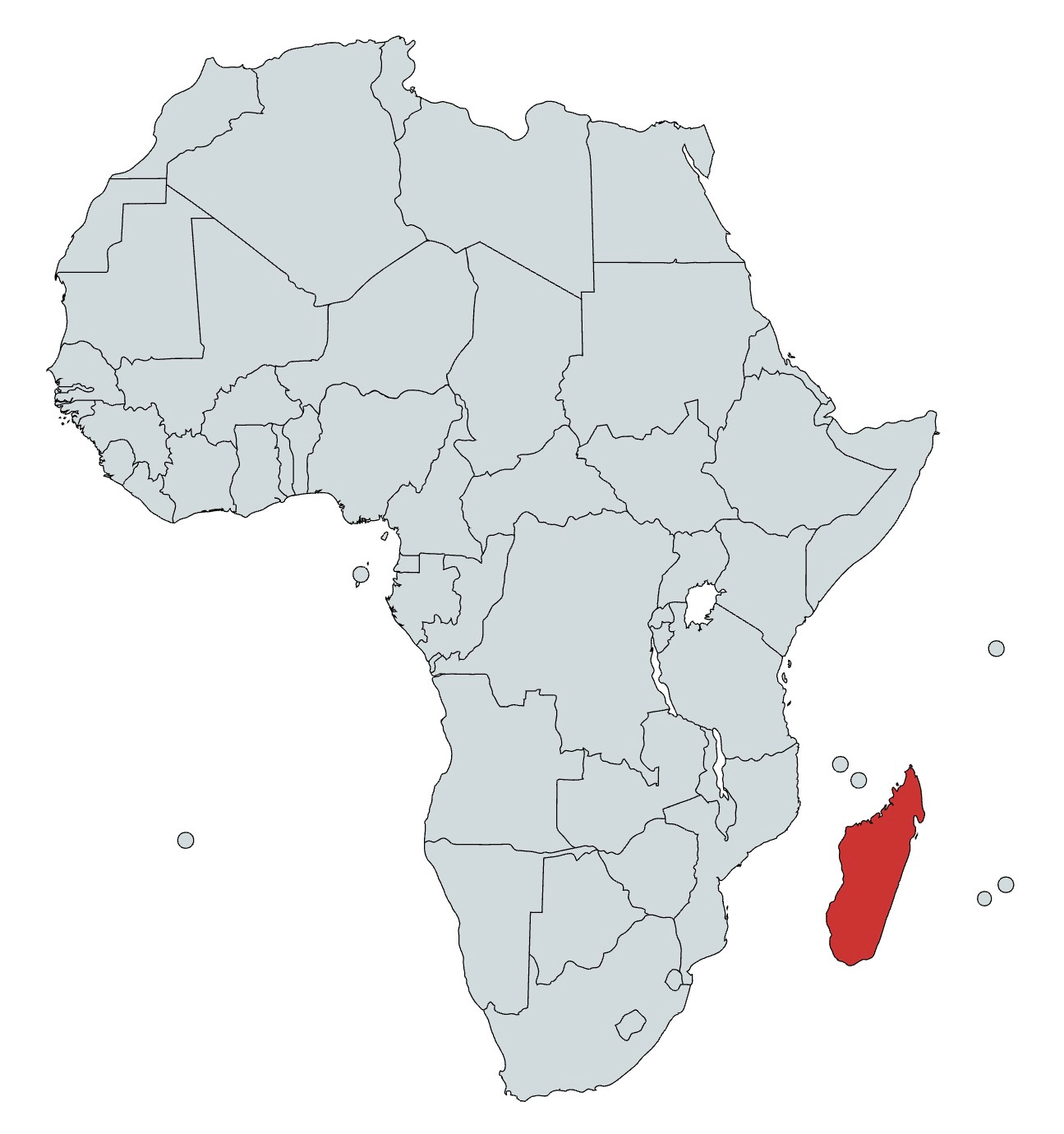
It’s worth just a note that Madagascar is the sixth former French colony to have been taken over by military juntas this decade: besides Madagascar they include Mali, 2020, Guinea, 2021, Burkina Faso, 2022, and Gabon and Niger, 2023.
•••••
AND FINALLY: I admire and respect Michael McFaul. I respect his career, his experience as US ambassador to Moscow and his staunch support for Ukraine, especially his work maintaining a high-profile media presence consistently and unfailingly focusing attention on Russia’s utter evil-mindedness in its imperial aggression against Ukraine.
But I’m afraid he may have written a banal new book. He’s in full book tour mode for his upcoming Autocrats vs. Democrats: China, Russia, America, and the New Global Disorder, and maybe we’ll come back and reassess it later, but based on the promotional content he’s putting out, looks like we all ought to keep moving. Nothing to see here.
From his Substack, here are his Five Lessons for a New Age of Great-Power Competition:
#1 Competition and confrontation are not inevitable.
Comment: Can’t we all just get along?
#2 Are we in a new Cold War? It’s complicated.
Comment: Maybe he didn’t have enough time to take a stand? It’s only a 544 page book.
#3 Do not overestimate China, or underestimate Russia.
Comment: Fascinating.
#4 We can learn from the Cold War to better meet the challenges today.
Comment: Because otherwise we can’t usually learn from history?
#5 In the long course of history, democracies are more powerful than autocracies.
Comment: Brilliant. “The long arc of history bends toward justice.” Martin Luther King Jr. used this phrase during the 1960s Civil Rights movement, as adapted from a Unitarian minister and abolitionist named Theodore Parker, who wrote “I do not pretend to understand the moral universe, the arc is a long one... But from what I see I am sure it bends towards justice”— in 1853.
These are McFaul’s own five lessons that he has chosen to promote his book. I wish him all success. But I’m not planning to preorder.
•••••
That’s it for this week. Thanks for your time and thanks for dropping by. Please pass this article around and invite your friends to subscribe. And do let me hear from you.
I should have two columns for you next week. See you then.
Content on Common Sense and Whiskey is free. There’s no paywall, but if you subscribe for $5 a month or $50 a year for 2025, next time I’m in town I’ll come over and wash your car. Maybe.
You tip your Uber driver, I bet. Sure you do. I claim to have probably approximately as much insight as him or her. Just sayin.
Cheers,
Bill
