

British Labour's Judgement Day
What Just Happened #92

Welcome. This week we start with a quick recap of Keir Starmer’s Judgement Day yesterday, as seen from Wales. Then, ahead of tomorrow’s Victory Day parade, the question of whether Vladimir Putin is struggling sems to keep popping up. We have a couple of short political items from the eastern part of Europe, and I leave you with an unfinished thought that’s been rolling around in my head.
Common Sense and Whiskey goes deeper than the headlines on a few stories a week, in a presentation that busy people can absorb quickly. It’s a short, sharp look at the world out there.
If you’re reading this as an email, have a look at the online version at CommonSenseandWhiskey.com, where all CS&W content is available, and if you like what you see, please subscribe. Talk to me in the comments section or directly, at BillMurrayWriter (at) gmail.com. Let me know what you think.
•••••

BRITISH LABOUR’S JUDGMENT DAY: Expectations for Keir Starmer’s British Labour Party were so low in local and devolved elections this week that some anticipated a top to bottom house cleaning, with the insertion of the Reform party as a Tory-killer, and a hustle out the door for the Prime Minister.
Some of the more breathless predicted a systemic reset, bemoaning in advance the gutting of the two party system. And after a night long on waiting and largely lacking results, it appeared voters were indeed in the mood for blood—with relish.
The elections expert Sir John Curtice expected more than half the electorate to vote in the Senedd contest for the first time.
National results came all too slowly. Counting in Scotland, Wales and most English councils didn’t even begin until this morning, so the larger national question, what does it all mean, is beyond our grasp for now.
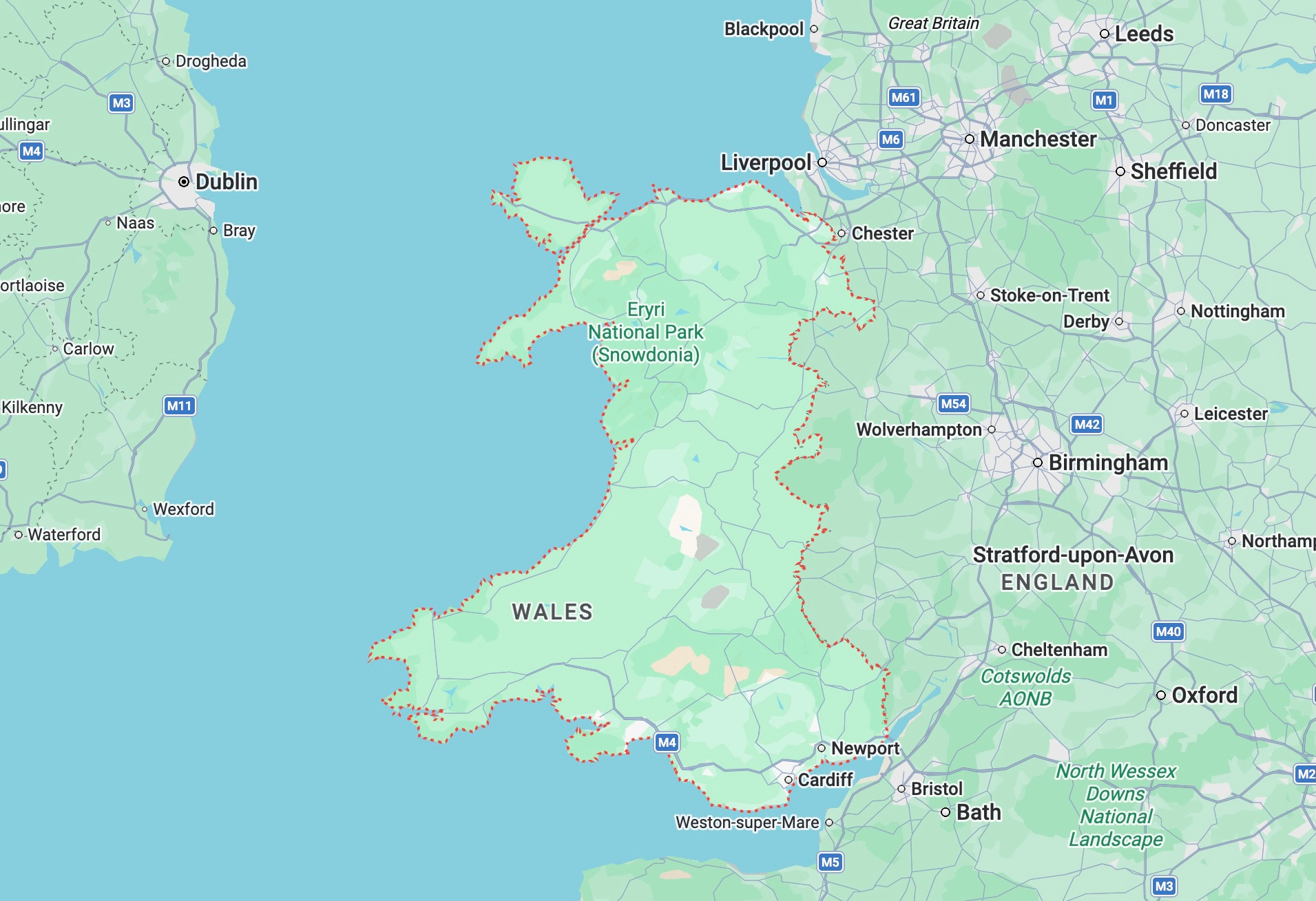
But we can have an early look, and set the stage for the devolved legislative contest in the smaller, more compact nation of Wales. As this was published, Friday midday US east coast time, Welsh Labour was expecting to return just 10 seats in the next Senedd, the party said.
Which is even worse than it sounds. “Labour has never returned fewer than 26 seats in the 60 seat Senedd,” the Guardian reported Friday morning. But the new Welsh Senedd, reconfigured for this election, will be made up not of sixty seats, but ninety-six.
We should look quickly at how they’ve changed things.
With this election, Wales moves to proportional representation. Last night they voted for the devolved Senedd, which is expanding from 60 to 96 members. Sixteen “super-constituencies” each elect six members of the Senedd.
[Senedd is pronounced something like “SEN-eth.” “dd” = “th” in Cymraeg, the Welsh language.]
Voters cast one vote, for a party list or an independent candidate, and seats are allocated proportionally. The aim is that ten percent of the vote would garner about ten seats.
The contenders, ranked by the number of seats they currently hold, are Labour (29), Conservative (13), Plaid Cymru (13), Reform UK (2), Liberal Democrats (1) and Greens (0):
The politics: The British national icon, naturalist Sir David Attenborough’s 100th birthday is today and naturally enough, Brits have begun measuring events in David Attenborough time. As the BBC put it Friday morning, “Labour have won elections in Wales since before Sir David Attenborough was born.” That era ends today.
Welsh Labour has indeed dominated politics there for a century. And like most everywhere else across the United Kingdom today, Labour suddenly finds itself out in the substantial Welsh woods.

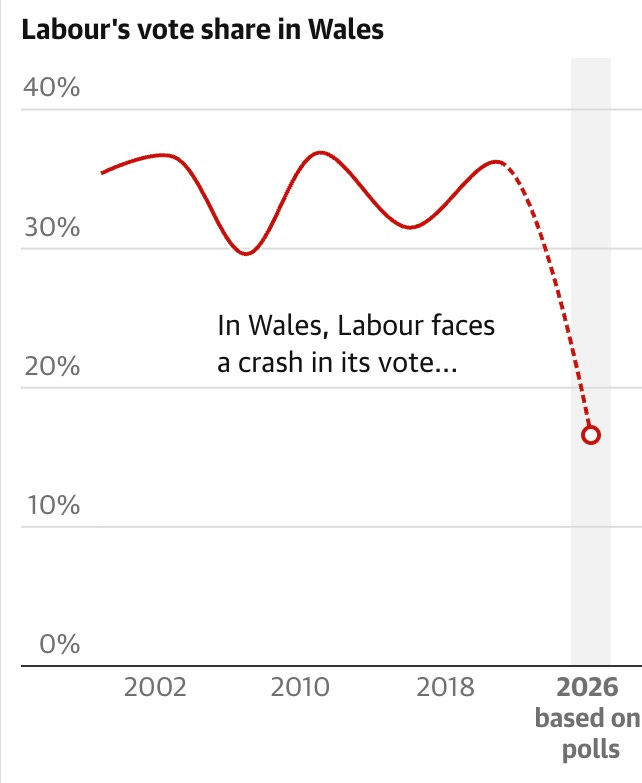
The First Minister, leader of Welsh Labour, was expected to lose her seat. Pundits had been reckoning Labour would be happy just to remain part of the governing coalition. Polling had shown Labour collapsing into third place, its vote share down in the mid-teens.
YouGov, Britain’s most frequently cited pollster, said 54 percent of the public believed the Welsh Labour-led government was doing a bad job.
Jostling to benefit from Labour’s collapse became a tale of two insurgents. Plaid Cymru ran a soft nationalist, social-democratic alternative kind of campaign, soft-pedaling previous talk of independence, emphasizing competence and Welsh identity.
[“Plaid” means “party” and “Cymru” is the Welsh name for Wales. Pronounced approximately “Plied Camry.”]
Before the election it looked as if it could emerge as the largest party for the first time.
Then there is the Welsh version of Nigel Farage’s Reform UK, a party of older, less educated, xenophobic, ex-Tory Leave voters, rejectionist, disaffected and anti-everything—but mainly anti-immigration— voters, who are the unavoidable story in this election nationwide.
Here is a cheery sampling of the caliber of candidates Reform is fielding:
Nathan Gill, a former Reform UK Wales leader, pleaded guilty to bribery offenses and was sentenced to ten and a half years in prison last year for taking money to make pro-Russia statements while an MEP.
Laura Anne Jones, a sitting member of the Welsh Senedd, was suspended for two weeks without pay over a racial slur about Chinese people.
Corey Edwards, briefly Reform’s lead candidate in Pen-y-Bont Bro Morgannwg, stood down as Reform’s a candidate after a photograph emerged that appeared to show him making a Nazi salute.
And Reform’s leader, Nigel Farage is under scrutiny over an alleged £5 million undeclared gift/donation from a crypto investor. Farage/Reform says it was a personal gift for his security. (Sort of like the US Senate’s says its proposed $1 billion fund for the Donald Trump ballroom is for security.)
Even with that, heading into Welsh elections, Reform’s poll numbers were in a horserace with Plaid Cymru.
My characterization of the Reform voter is overdone and reflects my bias, but there is in fact a constituency for Reform among otherwise generally left-leaning disaffected Plaid voters in post-industrial areas of the country.
On Tuesday, the final YouGov poll before the Senedd vote put Plaid Cymru slightly ahead of Reform, 33% to 29%. Other polls had the race even closer.
The Greens, as in the wider UK, were forecast to make a bit of a breakthrough. The general idea was that as voters on the right fled the Conservatives for Reform, so those on the left fleeing Labour would have a look at the Greens. In Wales, that meant primarily in younger college communities and the capital Cardiff.
Under new leadership, the Greens became more willing to play footsie with a broader left-populist stance, broadening their pitch away from just the environment and opening up to a hint of anti-establishment anger.
They also got a jolt of fresh momentum with an unexpected by-election win, the pick-up of what had been a safe Labour seat in Greater Manchester in February. Plus, parts of Labour’s younger, urban coalition have been none too pleased with the party’s approach to Israel and Gaza.
But more important than all that for the Welsh Greens, the switch to all proportional representation means, a vote total of eight or ten percent can now make a Green vote more than a protest vote. It could now translate into actual seats. And in fact YouGov put the Greens on course to elect seven members of the Senedd, where they had never previously won any.
With a rise of Plaid and Reform, we have neither a populist breakthrough nor a right-wing insurgency, neither a left nor a right wing surge, it looks like, but rather a generalized collapse of the governing center, led by Prime Minister Keir Starmer’s party, but also comprising the Conservative Tory party. This mimics results we’ve talked about a lot on Common Sense and Whiskey, across all of Europe—as Wales’s Irish neighbor W B Yeats would have it, the center has been unable hold.
This is the wider, UK-wide headline. Labour falling to a distant third leads the end of a century-long political order. Here’s a graphic illustration based on polling from before election night.
•••••
RUSSIA: Last Friday we speculated whether increased Kremlin paranoia might be manifesting in widely reported restrictions on the internet in Russia. I concluded with a ‘maybe, probably no big deal yet’ kind of conclusion.
And yet ahead of tomorrow’s annual Victory Day parade in Moscow, the Kremlin does seem to be doing an unusual amount of publicly visible hand-wringing. The Russian newspaper-in-exile the Moscow Times declared this a “period of instability.”
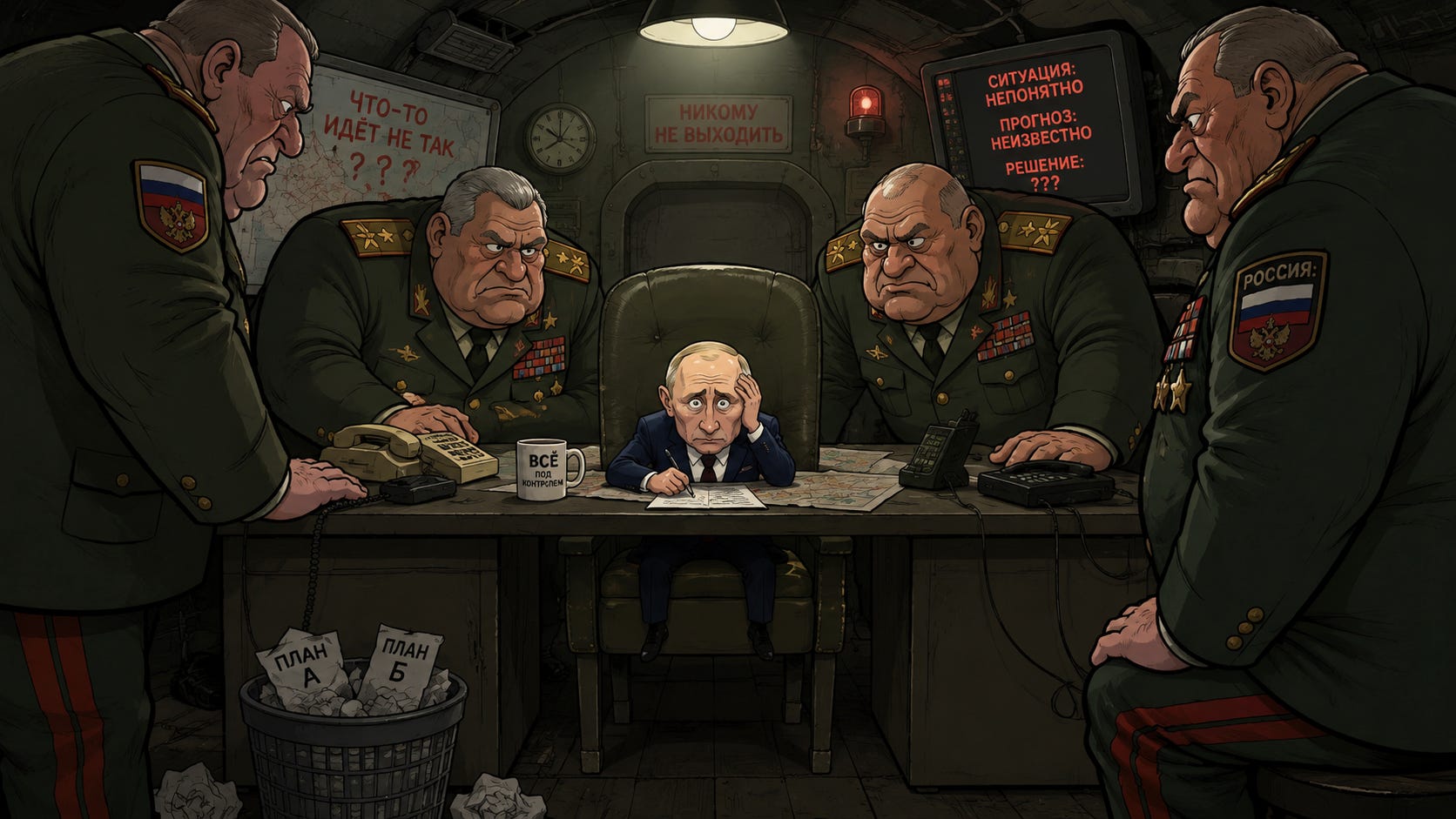
An opinion piece there this week pointed to the “reported flight from Russia to the U.S. of Denis Butsayev, the recently dismissed deputy minister for natural resources and ecology,” saying it “echoes earlier moments in Soviet history, when defections tended to cluster around periods of instability: the purges of the late 1930s, the chaos following Operation Barbarossa during World War II, the aftermath of Stalin’s death in 1953 and the crumbling of the Soviet Union in the late 1980s.”
On Monday of this week it surfaced that Max Seddon at the Financial Times, Nick Paton Walsh at CNN and, it was reported, other journalists had been briefed on a report from a ‘European intelligence agency’ about Russian internal security. That will do nothing to tamp down speculation.
It’s fair to sum things up by saying that Russia’s internal security system is under some strain, with Kremlin infighting reported this week over security issues.
It probably doesn’t lighten the pressure that all four of Moscow’s major airports—Sheremetyevo, Domodedovo, Vnukovo and Zhukovsky—on Tuesday, because of reported Ukrainian drone threats and air-defense activity around the capital ahead of tomorrow’s parade.
Reporting suggests the screws have been tightened on policing, internal surveillance, and regime-control mechanisms, which are never allowed to go slack in the best of times. Add ongoing wartime conditions and the sustained economic pressure of more than four years of sanctions, and it’s probably not safe to count on that Black Sea sanatorium vacation time that front line security services may have been dreaming of.
Finnish President Stubb summed things up this way: ““During World War II, Russia reached Berlin in four years. During the war against Ukraine, Russia reached Pokrovsk in four years.”
•••••

If you’re reading this as an email, be aware that your provider may clip the article before the end. Try clicking on ‘view entire message’ to see the whole thing, or you can always read everything at Common Sense and Whiskey online.
•••••

THINKING OUT LOUD IN PRINT: An incomplete thought here, just the start of an idea, really. Consider: for the last eighty-plus years, the United States has assumed, and asserted, that it controls international shipping lanes. Whether in fact it actually has, has been mostly beside the point, because no one has ever challenged Washington on it.
This was a posture the US assumed as part of the post-World War Two order that Washington itself largely designed.
Now Iran has taken that grand idea down a peg with not much more than an assertion that it’s not so. Whether or not the Trump administration will acknowledge wearing the mantle of Loser of Prestige and Loser of Face, historians will bestow it. It’s an ignominious moment for a group of men who define themselves by their bellicosity and bluster.
Most observers outside the White House would suggest that contrary to its rhetoric, the administration’s actions are moving the country away from its self-perception as the world’s leading power. Experts now argue just about how far and how fast.
Insuring safe worldwide shipping lanes was an expensive proposition, and it didn’t come from altruism. Washington took on that expense to guarantee international commerce based mostly on the US dollar. This war makes it hard not to acknowledge that fading dollar dominance will set in, and may gather pace, with all the cascading effects we might expect to follow.
•••••
VERY BRIEFLY:
ROMANIA: The pro-European government of Prime Minister Ilie Bolojan government fell on Tuesday. The center-left Social Democrats withdrew from government and then joined the far right AUR party to bring Bolojan down.
[The AUR is the Alliance for the Union of Romanians—Alianța pentru Unirea Românilor. AUR is also a deft branding choice. It’s the word for ‘gold’ in Romanian.]
Relatively new President Nicușor Dan wants to preserve a pro-EU, pro-NATO governing direction in the face of the threat of further fragmentation, as we discussed in today’s lead item about the United Kingdom. Dan insists the AUR will play no role in any future government.
Bolojan remains as a caretaker while possibly weeks or even months-long coalition talks proceed.
ARMENIA: If Volodymyr Zelenskyy had a jauntiness as he strode off his plane in Yerevan this week, it would be because his very presence was a big thumb in the eye to Vladimir Putin. It served as a visible reminder that even Russia’s traditional allies, like Armenia, are hedging against the Putin administration.
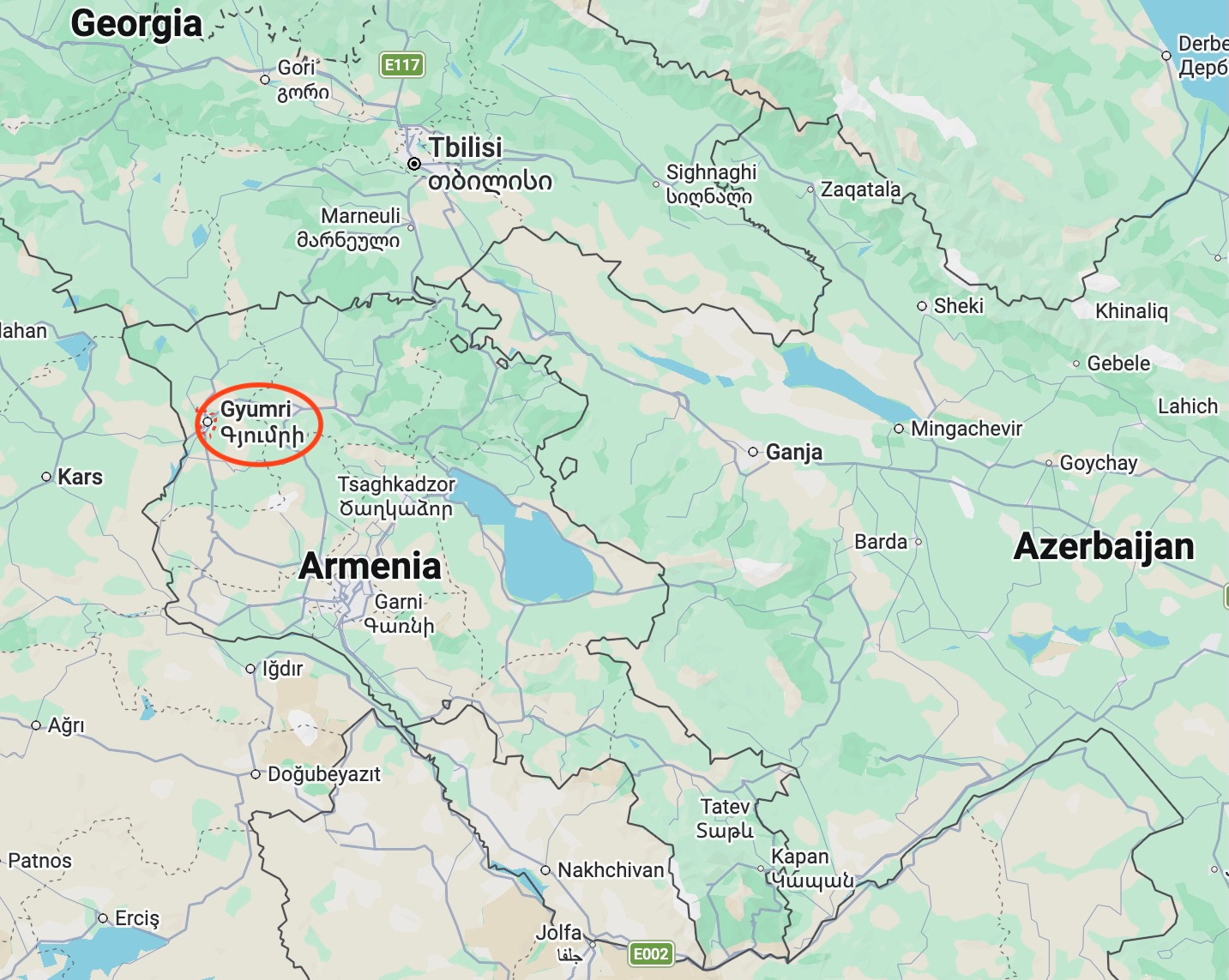
It’s cheeky. Russia’s 102nd Military Base—home to mechanized infantry, tanks, artillery, air-defense systems, MiG-29s and something between 3,000 to 5,000 troops—is housed in Gyumri, Armenia’s second-largest city, near the Turkish border.
Which I admit is news to me. I have always been proud to have visited Armenia, driving from Yerevan in the middle of the country north to Tbilisi, Georgia. Gyumri? Never heard of it.
•••••
That’s it today, but I’ll see you twice next week, on Friday as usual, and early in the week to introduce a guest post from an Australian writer that I think you’ll find unusually perceptive.
Thanks for your time, and let me hear what you think. Please pass this article around and invite your friends to subscribe. Substack authors, feel free to restack this or any other column on your own Substack anytime.
Content on Common Sense and Whiskey is free. There’s no paywall, but if CS&W is beneficial to you, please subscribe for just $5 a month or $50 a year. Big American media is increasingly falling under the control of government-friendly oligarchs. The future is on Substack and platforms like it — please invest in independent writers you trust. We’d all appreciate your support.
Cheers,
Bill

AUR, as in Auric Goldfinger.